Operational Disruption Starts at the Gate
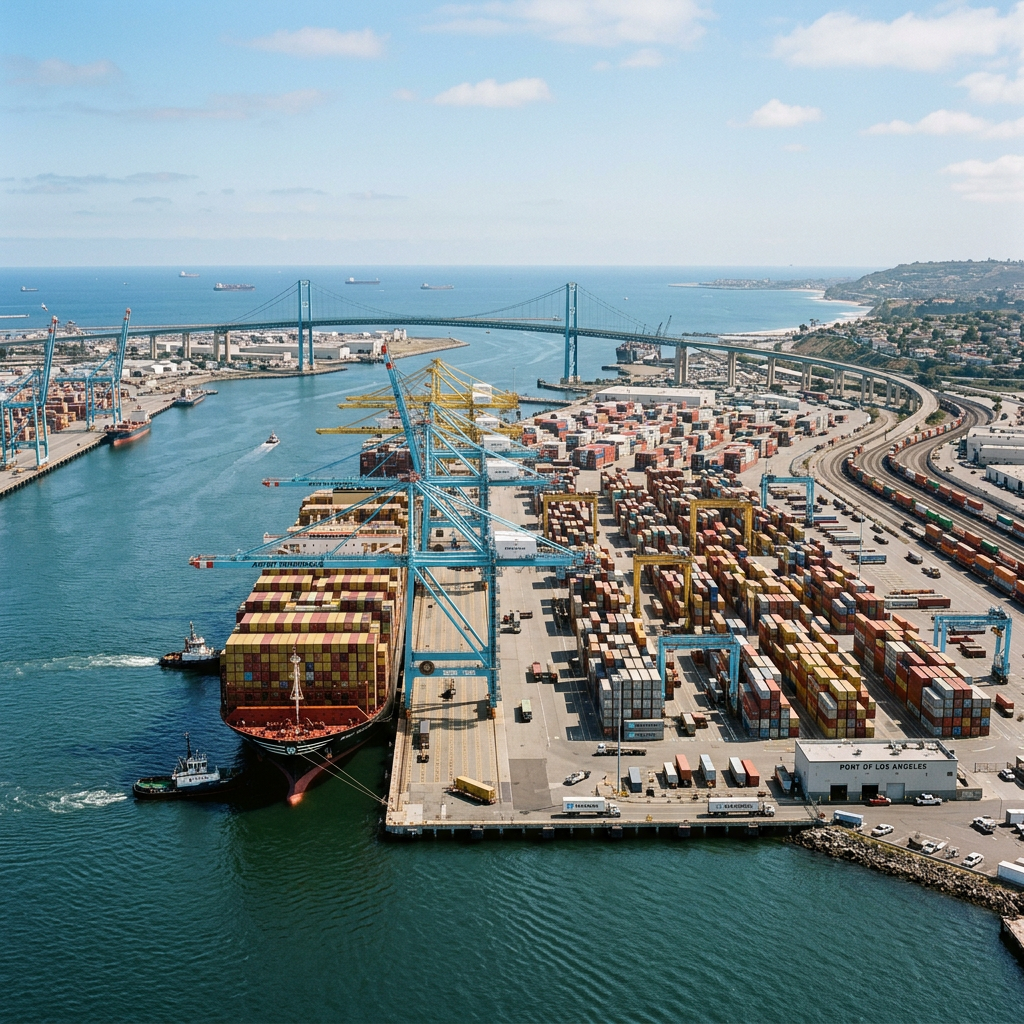
A cyberattack on a container terminal is not simply an information-technology incident. When terminal operating systems go offline, vessels may remain alongside while the physical movement of cargo slows or stops. Malaysia’s Port of Tanjung Pelepas, a major transshipment hub, paused terminal operations for several hours after a cyber incident, illustrating how quickly a software failure can become a logistics interruption.
Gate appointments, truck processing, container location data, crane scheduling, and release instructions may all become unavailable or unreliable. Manual workarounds can keep limited activity moving, but they usually reduce throughput and increase the risk of misrouted, delayed, or uncleared cargo. The first signal may come from a carrier, forwarder, trucker, or customer service team rather than the organization’s security function.
The Backlog Can Outlast the Outage
The duration of the attack is only one part of the disruption. Once a terminal stops receiving or delivering containers, vessels can miss windows, trucks queue, and yard density rises. When systems return, operators must reconcile transactions, verify container status, and work through accumulated demand. A four-hour outage can therefore create several days of irregular service, depending on berth schedules, available labor, yard capacity, and the volume of diverted cargo.
Questions Operations Leaders Should Answer
Companies should identify which shipments transship through a small number of terminals and what alternatives exist if one becomes unavailable. Review carrier terms carefully: during a force-majeure-adjacent event, who pays for storage, demurrage, diversion, rebooking, or additional inland transport?
It is equally important to map dependencies beyond the terminal. Do your transportation management systems, customs filings, appointment tools, or release processes rely on a carrier, broker, or port platform that has never been assessed? Establish communication routes, manual booking procedures, priority cargo rules, and escalation ownership before an incident occurs.
Prepare for a Recurring Industry Pattern
Terminal and carrier cyber incidents are becoming a recurring operational risk. Resilience means treating digital outages like port closures: model the exposure, define alternatives, test decisions, and measure how long the network takes to recover—not merely how quickly systems come back online.