The transaction at a glance
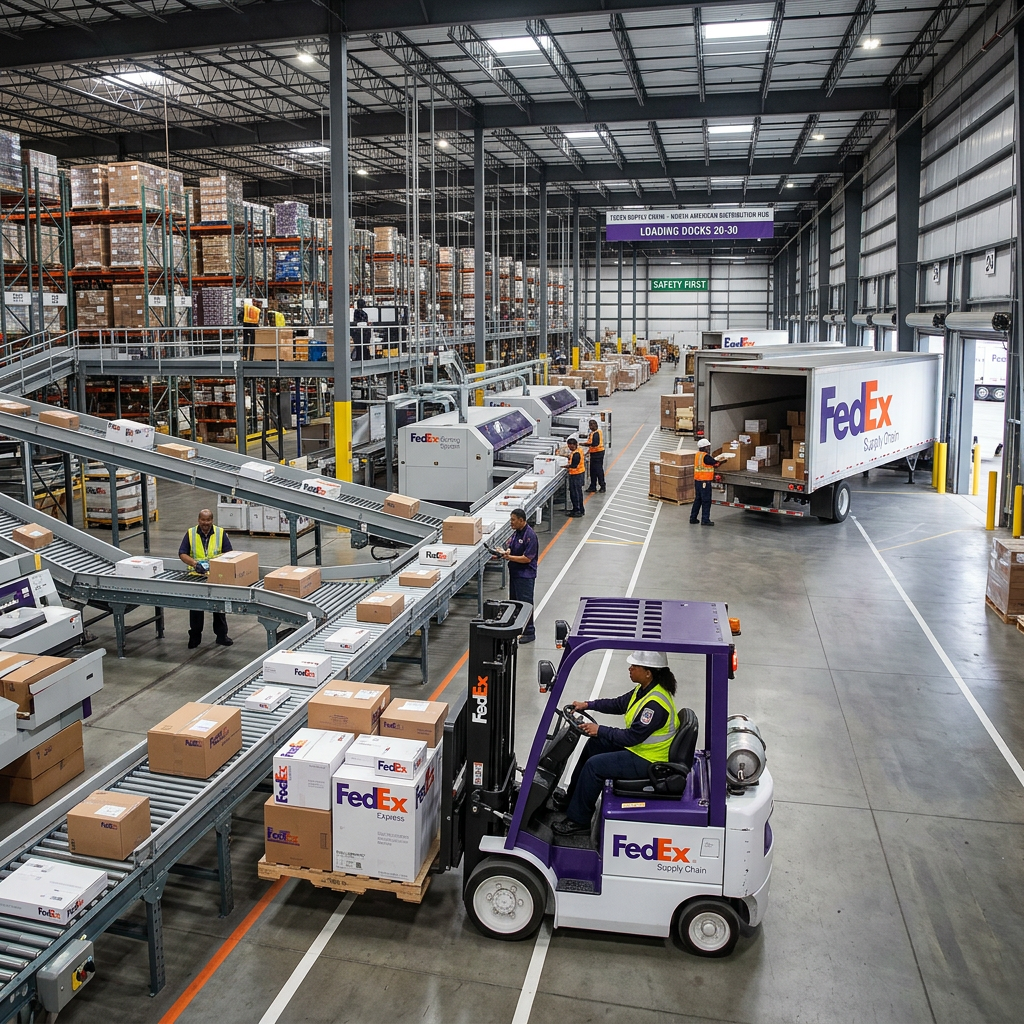
CMA CGM has entered a $1.4 billion definitive agreement to acquire FedEx Supply Chain, adding the third-party contract logistics business to CEVA Logistics. The deal would roughly triple CEVA’s North American footprint, bringing more than 130 distribution centers and approximately 40 million square feet of capacity into the group.
The companies also plan to establish multiyear commercial partnerships covering air and ocean freight capacity. Those arrangements are expected to roll out between 2026 and 2028, creating closer links between FedEx’s logistics operations and CMA CGM’s transportation network.
Why vertical integration matters
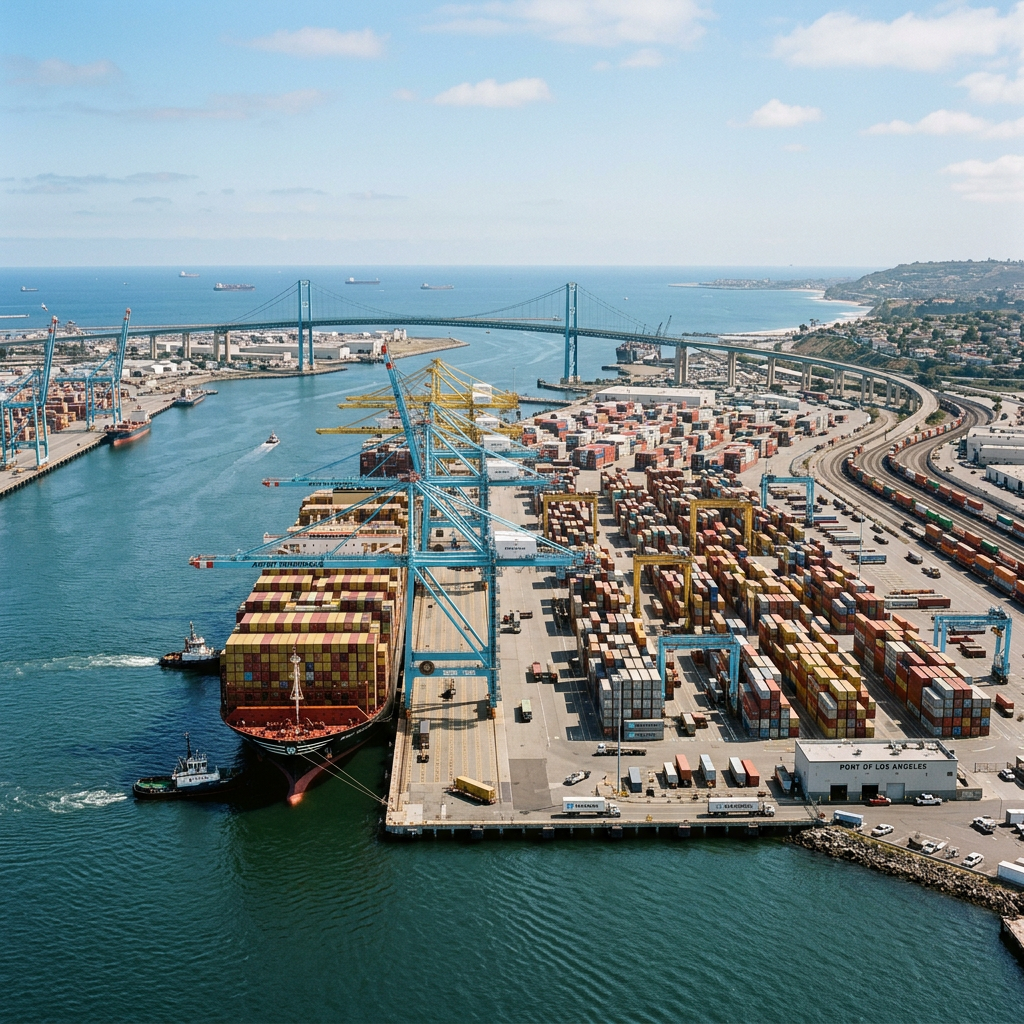
The acquisition reflects a broader shift in logistics: ocean carriers are moving beyond port-to-port transportation and investing in warehouses, trucking, fulfillment, and other inland services. For shippers, that can create a genuinely integrated door-to-door offering, with fewer handoffs and potentially simpler accountability when disruptions occur.
A provider controlling more elements of the journey may also coordinate inventory positioning, ocean capacity, distribution, and final delivery more efficiently. For customers seeking resilience and predictable execution, that combination could be valuable.
The questions for shippers
Integration also creates commercial complications. When the ocean carrier, warehouse operator, and inland transportation provider belong to the same group, pricing transparency may become harder to assess. A bundled quote can be convenient, but it may obscure the individual cost of freight, storage, handling, and inland movements.
Shippers could also have less leverage during a bid if fewer independent providers remain available. Comparing an integrated package with standalone alternatives will require more detailed data and clearer service-level commitments. Procurement teams should request itemized pricing, benchmark each component, and preserve credible alternatives.
Concentration risk in focus
The deal may deliver operational benefits, but it also increases dependence on a single counterparty. Customers should examine contingency plans, data portability, capacity guarantees, and exit terms. The strategic lesson is not that integration is inherently negative; rather, its value depends on transparency, competitive discipline, and the ability to switch providers when conditions change.