Introduction to Multimodal Transport Options
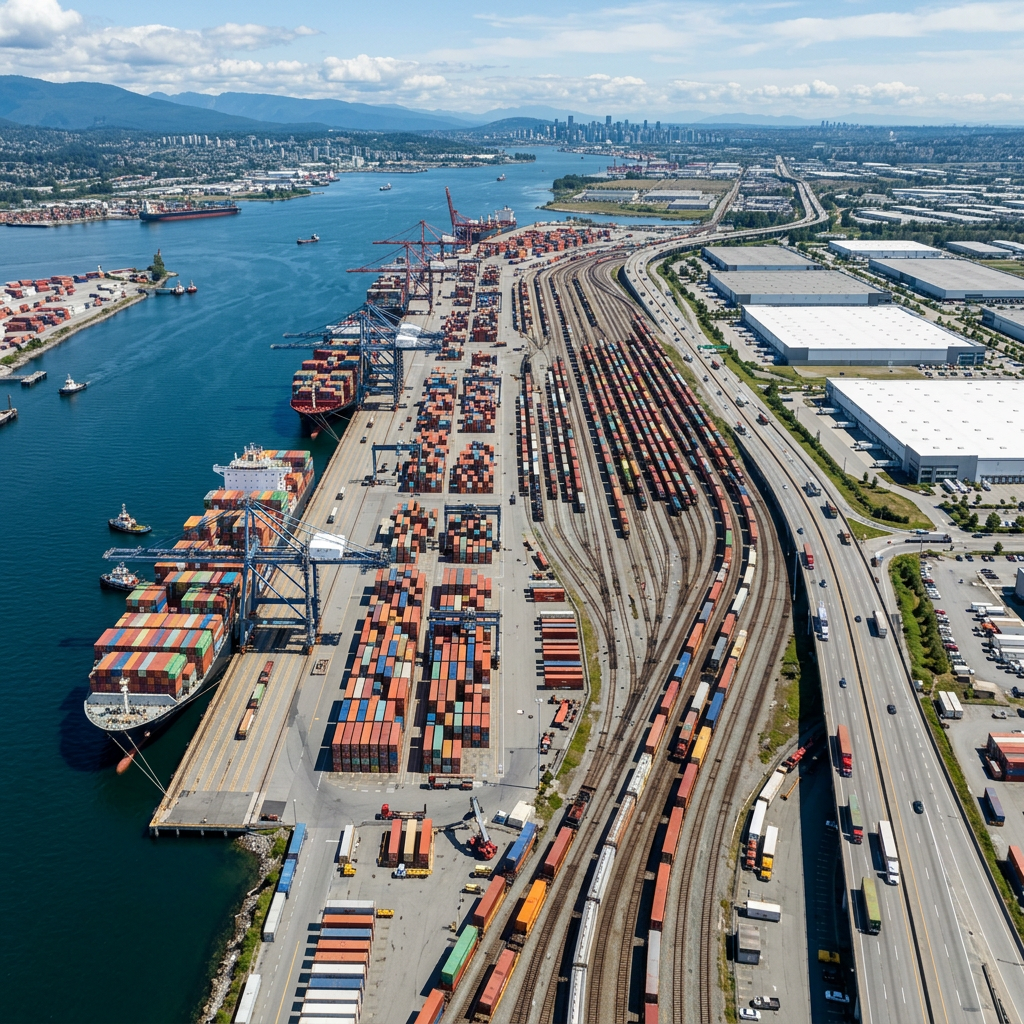
The ever-evolving landscape of global logistics has led to a rising demand for multimodal transport solutions between Asia and Europe, particularly as disruptions in the Persian Gulf push carriers to explore alternative routes. These options typically involve a combination of trucking, rail, and sea transport through various intermodal hubs.
Realistic Options and Their Profiles
When considering multimodal transport, it’s essential to explore realistic options available. The transit ranges for these solutions can vary significantly based on the specific modalities used. For instance, trucking can cover distances quickly but often incurs higher costs, while rail transport offers a more economical choice, though it may involve longer transit times. The use of sea transport remains vital for bulk goods, allowing for cost-effective solutions for larger shipments, although subject to longer durations.
Each option also holds specific commodity profiles. Traded goods that are time-sensitive might favor trucking and air, while bulk commodities often align better with sea routes. Knowing which option aligns with your cargo type is crucial.
Constraints and Qualifying Options
While exploring these modes, it is important to acknowledge constraints such as capacity limitations, gauge changes that may occur during transfers, and the complexity of customs operations across borders. Certain cargo types may also have restrictions which eliminate them from multimodal consideration.
Before you choose your multimodal option, it is advisable to assess your needs in advance. Understanding the nuances involved in multimodal transport will prepare you to negotiate effectively, especially during times of disruption when quick decisions are critical.