
When a Port Goes Offline: The Supply Chain Cost of Terminal Cyberattacks
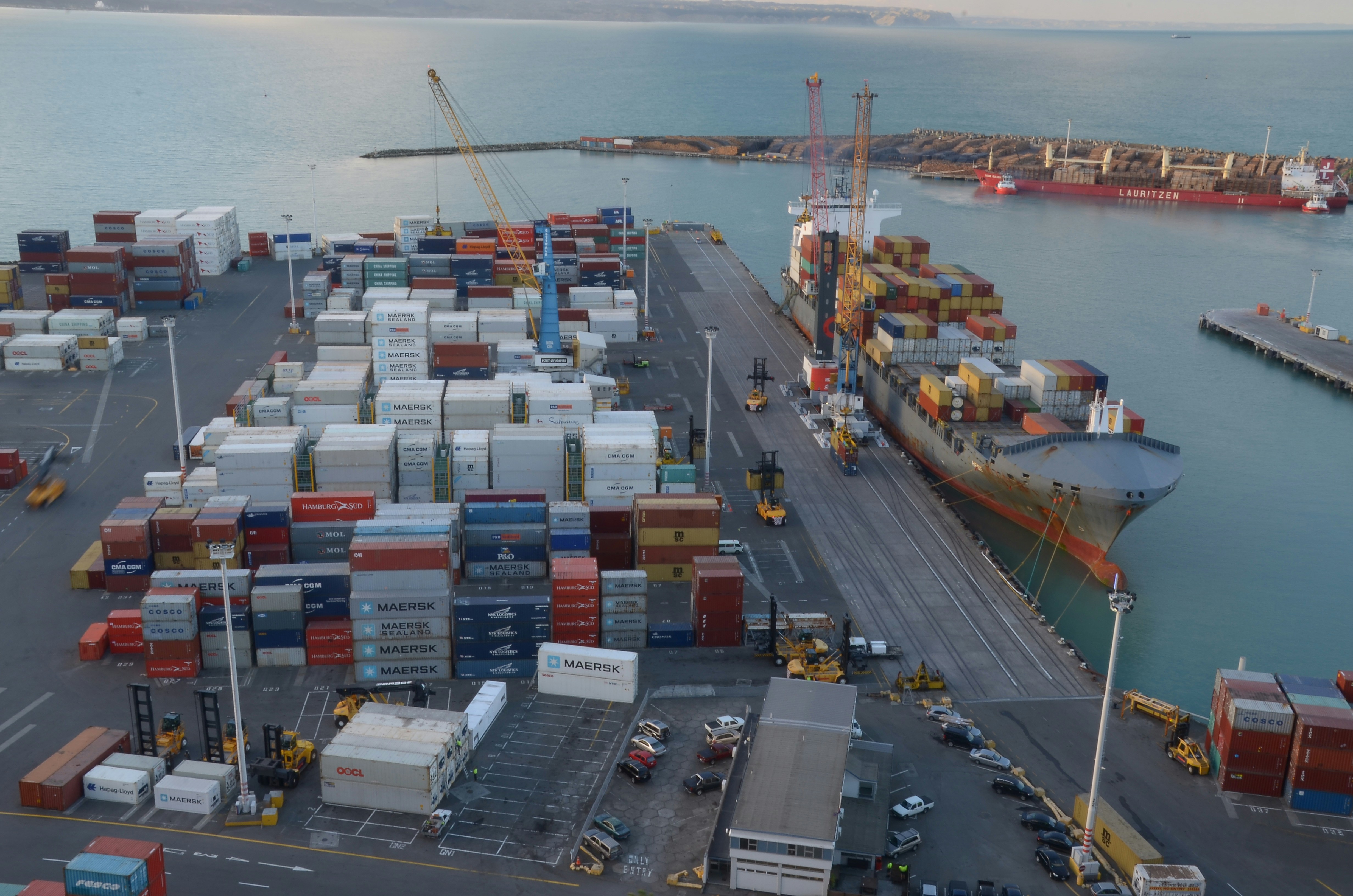
Operational Disruption Starts at the Gate A cyberattack on a container terminal is not simply an information-technology incident. When terminal operating systems go offline, vessels may remain alongside while the physical movement of cargo slows or stops. Malaysia’s Port of Tanjung Pelepas, a major transshipment hub, paused terminal operations for several hours after a cyber […]
Why AI Hardware Is Tightening Air Freight Capacity
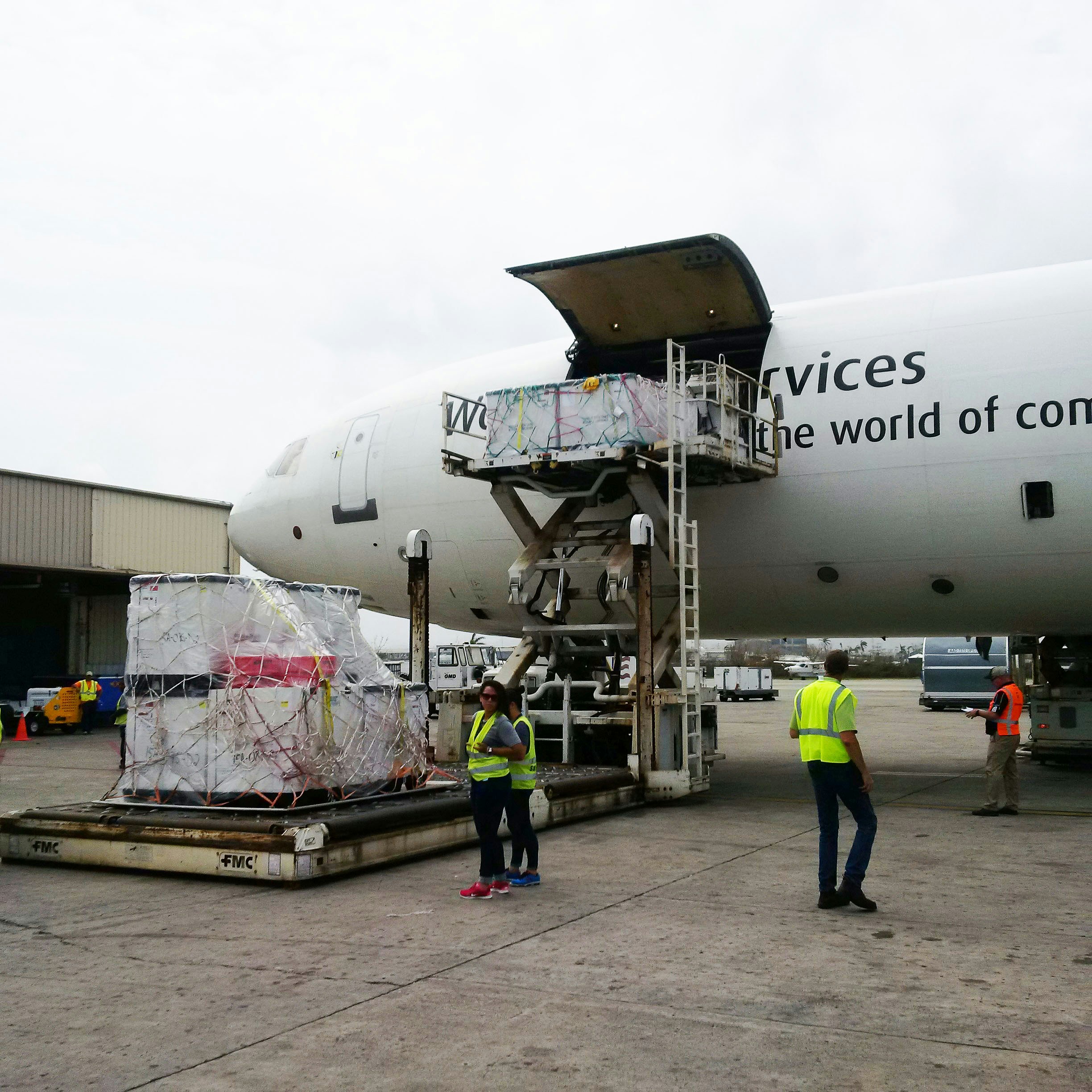
A New Source of Pressure on Air Cargo Air freight is entering a more competitive period as artificial intelligence infrastructure absorbs capacity once readily available to consumer goods shippers. In August, global air cargo volume rose 6% year over year, while average spot rates increased 24% to $3.13 per kilogram. Asian export strength is part […]
When Longer Port Stays Become a Shipper Cost
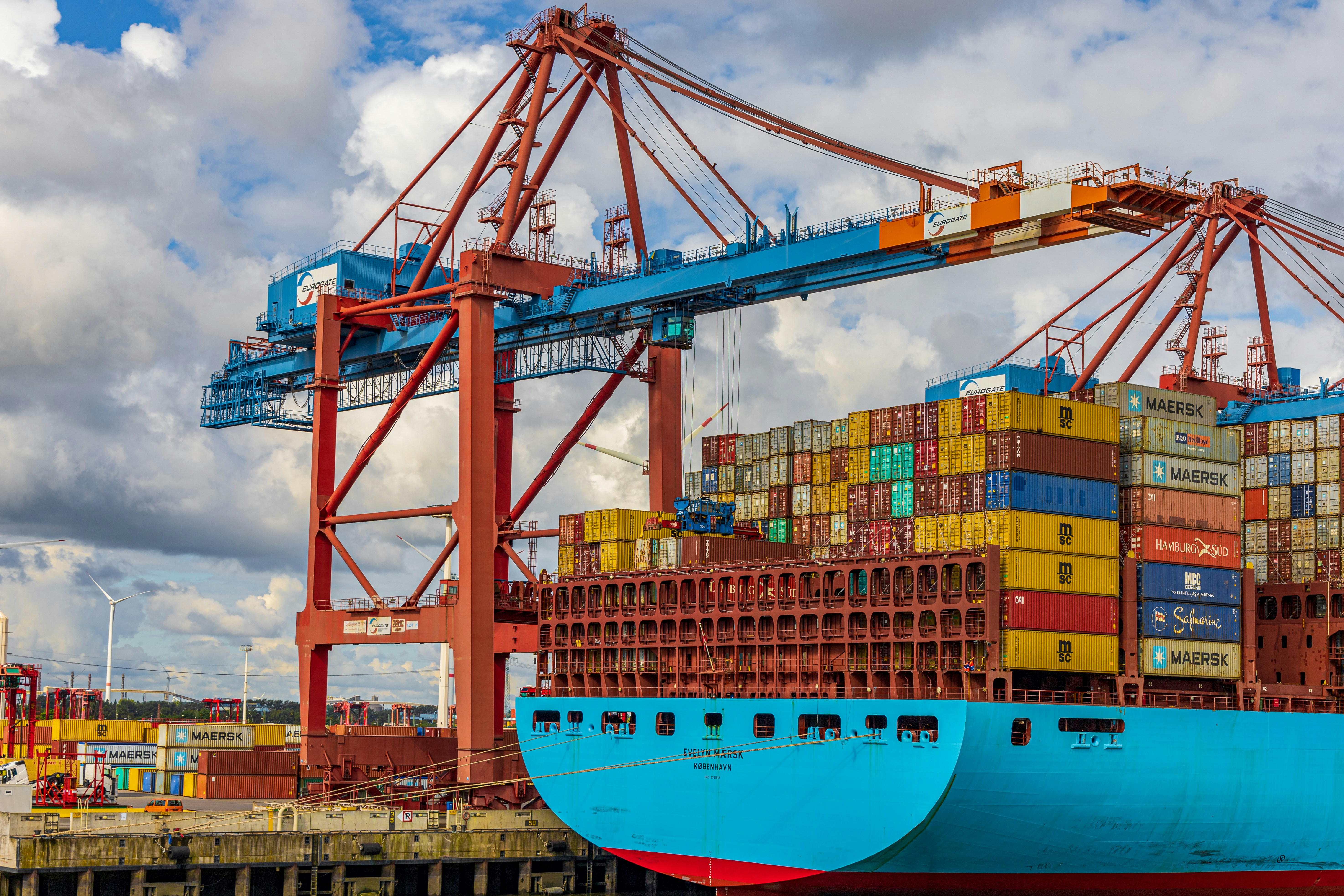
Waiting Time Is Now a Planning Variable Drewry’s August analysis found that global average vessel waiting times during the first seven months of the year had nearly doubled compared with the same period in 2019. Total time in port was 31% higher, with a larger share spent waiting for a berth. For shippers, this is […]
Cargo Theft Prevention in 2026: Securing Loads, Yards, and Carrier Data
Why Cargo Theft Prevention Needs a Broader View Cargo theft accelerated through 2026, but securement practices have not always kept pace. Traditional risks remain important: high-value loads can attract organized crews, poorly controlled yards create easy access, and predictable stop patterns can make a shipment easier to target. Yet the larger exposure is increasingly digital. […]
Why Omnichannel Margin Depends on Smarter Rate Shopping and Returns

The Order Promise Starts With Live Rate Shopping A home goods brand recently paired a live rate-shopping tool with a custom reverse logistics workflow to support its omnichannel strategy. The example is small, but it illustrates a broader operational shift: fulfillment decisions are becoming dynamic rather than being governed by routing guides that may be […]
Peak Season 2026: Weekly Capacity Signals and Decision Dates
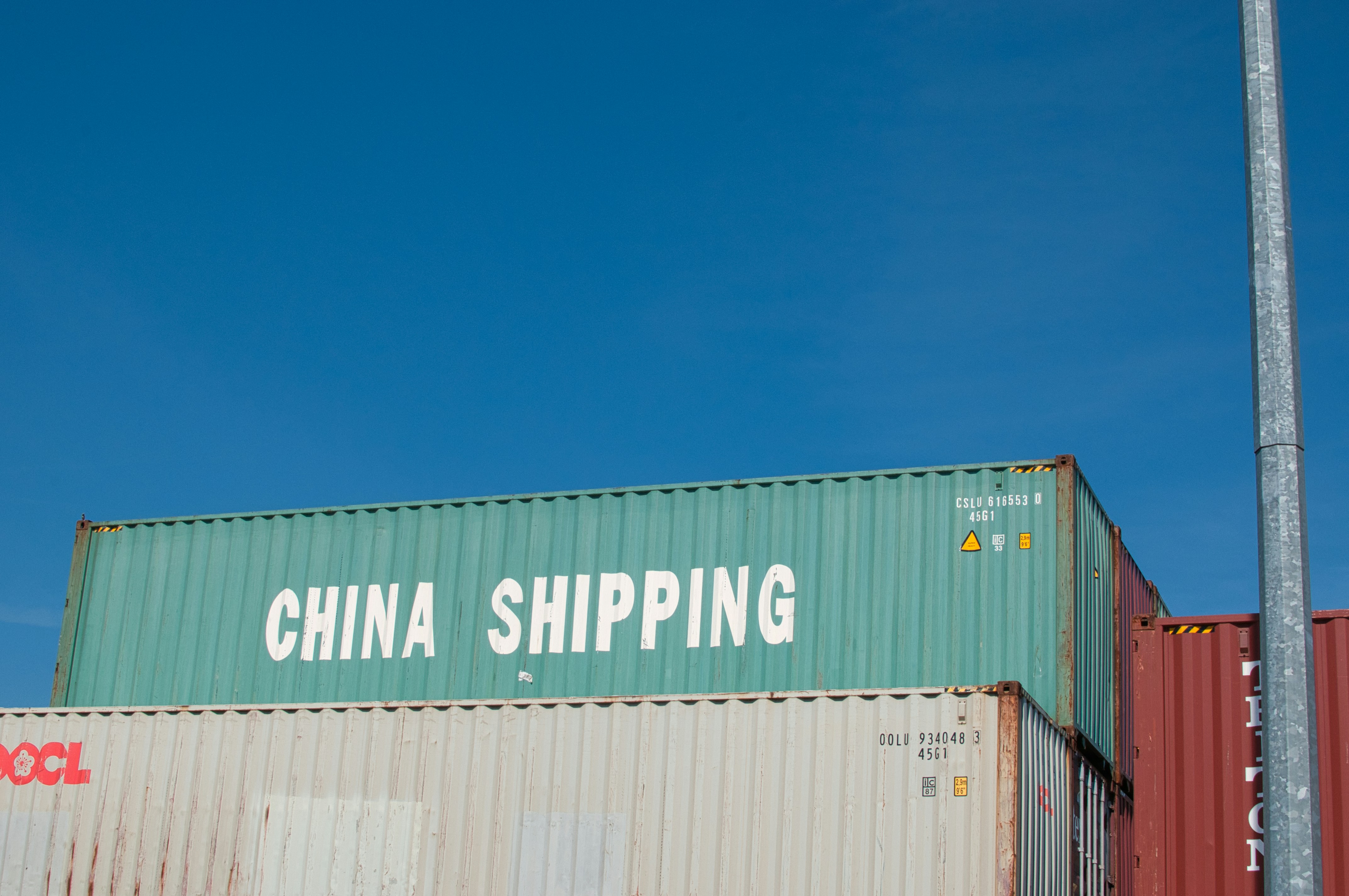
What to Track From Mid-July Ocean services to China were running at or near capacity through the summer, and one carrier reported that it had exceeded capacity in July. That makes weekly monitoring more useful than relying on a single seasonal forecast. Start with bookings versus allocation: rising bookings with unchanged allocations are an early […]
CMA CGM–FedEx Supply Chain Deal Signals a New Era of Integrated Logistics
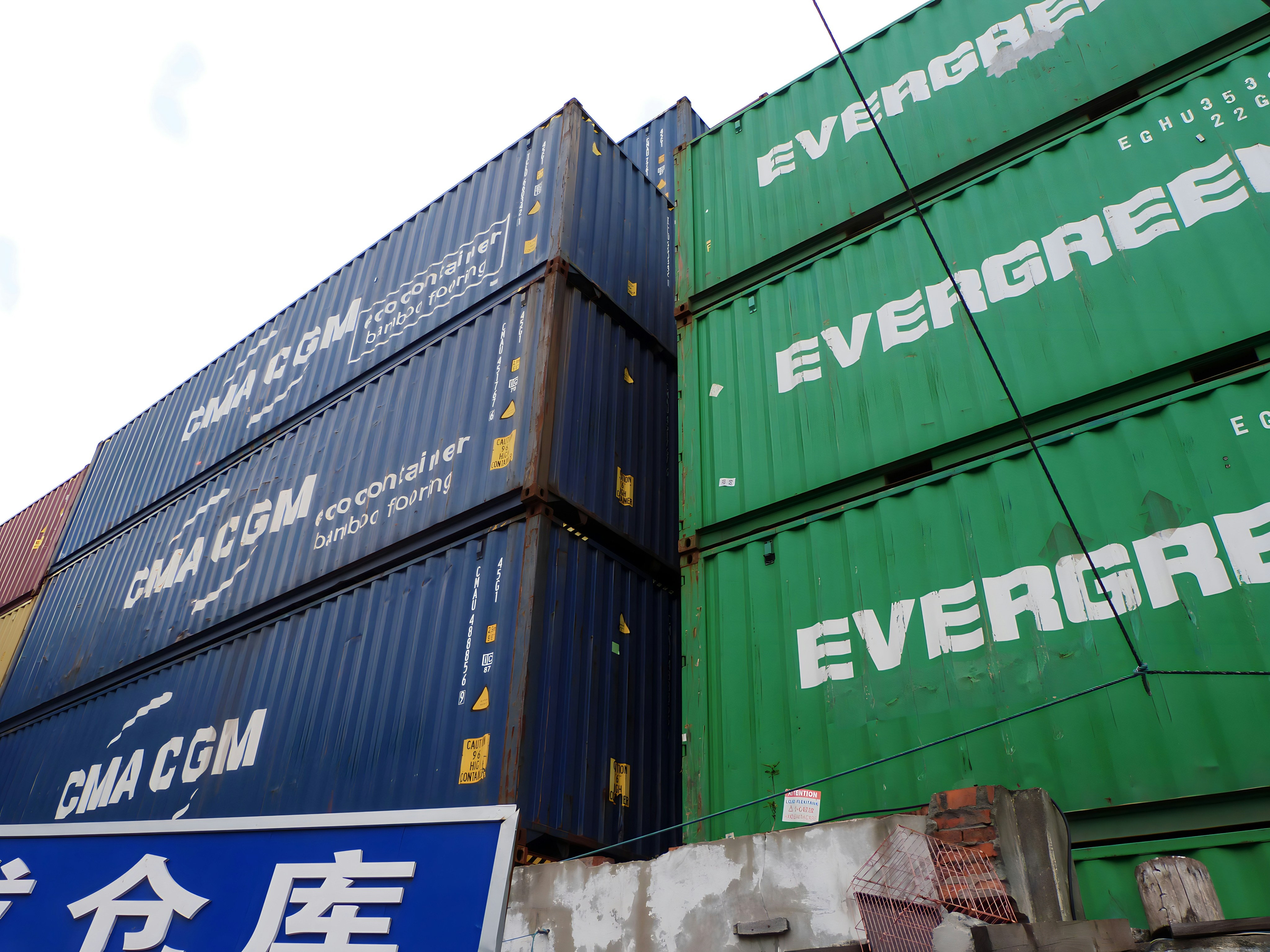
The transaction at a glance CMA CGM has entered a $1.4 billion definitive agreement to acquire FedEx Supply Chain, adding the third-party contract logistics business to CEVA Logistics. The deal would roughly triple CEVA’s North American footprint, bringing more than 130 distribution centers and approximately 40 million square feet of capacity into the group. The […]
Visibility Shows the Problem; Exception Management Solves It
Visibility Is No Longer the Differentiator Most shippers now have some form of real-time supply chain visibility. They can see where freight is, whether a shipment is delayed, and when an estimated arrival time changes. Yet many organizations continue to miss the same delivery failures. The reason is simple: information alone does not create action. […]
Carrier Vetting Due Diligence: A Practical Guide for Safer Freight Tendering

Why Carrier Due Diligence Matters Recent action involving approximately 28,000 revoked non-domiciled commercial driver’s licenses highlights how quickly transportation capacity and compliance risk can change. Shippers and brokers should treat carrier vetting as an operational control, not a one-time administrative task. Before tendering freight to a new carrier—or accepting a broker’s re-brokered load—confirm that the […]
Navigating the Implications of Amazon Supply Chain Services for Shippers

Introduction to Amazon Supply Chain Services In the week of May 11, Amazon made headlines by announcing its expanded supply chain services, including a comprehensive suite of freight and distribution offerings. This move has prompted discussions among logistics professionals regarding the implications of this service expansion on traditional third-party logistics providers (3PLs). Should Shippers Consider […]